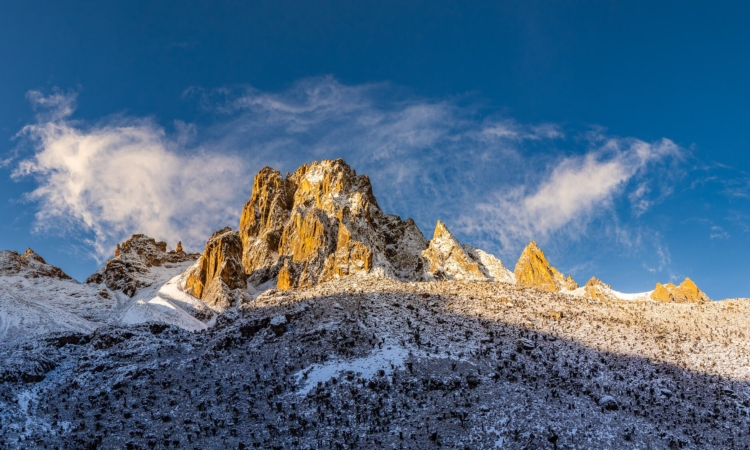
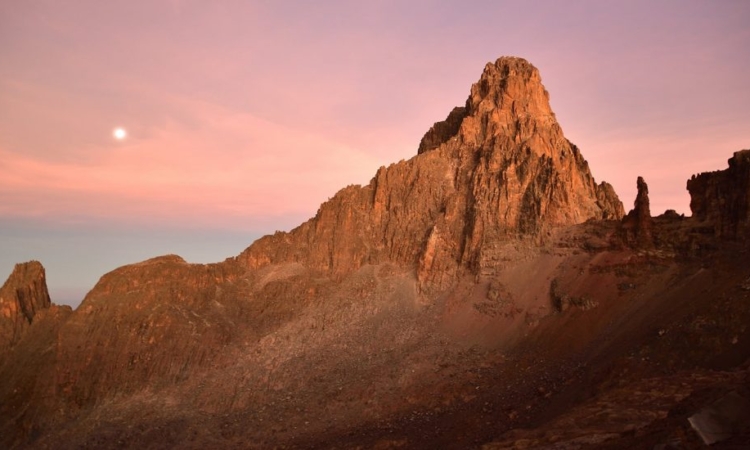
History of Mount Kenya: Mount Kenya’s name came from the inability of the colonialist to pronounce “Kirinyaga / Kerenyaga” a name that was given to the mountain by the Kikuyu people which means “Mountain of Whiteness” attributed to the snow on its top peaks.
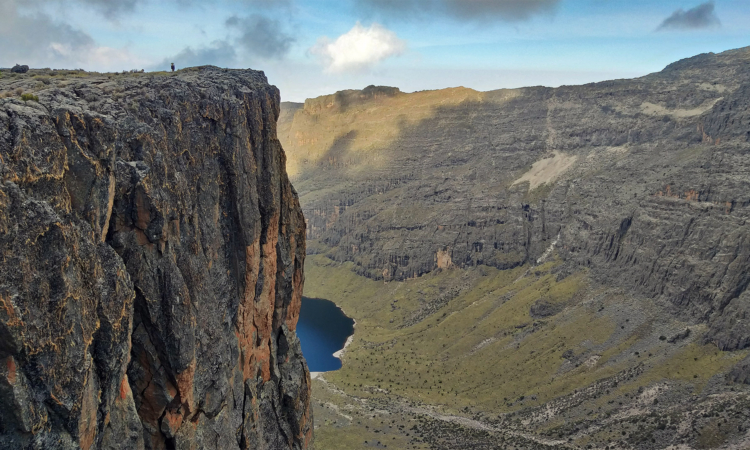
Mt. Kenya last erupted over 2 million years ago hence, it is considered an extinct volcano that is not expected to erupt again. Its 3 highest points namely Batian at 5,199 meters, Nelion at 5,188 meters and Lenana Point at 4,985 meters were named by the Maasai after their chiefs.
Mount Kenya has a rich history that spans geological aspects, colonial times, mountaineering, traditional and cultural aspects.
Geographical History
Mt. Kenya’s geological history goes millions of years back through the volcanic eruption activity formation within the Great Rift Valley.
The mountain’s last eruption dates back around 2.6 to 3 million years ago, rendering it extinct.
The mountain has 3 main peaks, the Batian, Nelion and Lenana point.
Climate change has greatly affected the presence of glaciers on Mount Kenya which are disappearing at an alarming rate.

Cultural and Traditional History
Mt. Kenya was originally called Mount Kirinyaga / Kere-nyaga, named by the Kikuyu people of the mountain.
The 3 main peaks of the mountain are named after the Maasai chiefs; Batian, Nelion and Lenana.
Most of the local communities of Mt. Kenya considered the mountain as the sacred home of their supreme god known as “Ngai”.
The local communities around the mountain include the Kikuyu people (the biggest Bantu ethnic group), the Embu people, the Ameru people among others.
Most of the communities still turn to the mountain to offer sacrifices and perform rituals during hard times of drought and famine praying to their “god” Ngai.
Folklore, proverbs and lots of traditional stories surround the mountain giving us an insight of the historical cultural depth of “Kirinyaga”, Mt. Kenya.
Colonial history
Pre-European arrival in Kenya, East Africa, the indigenous people of Kenya settled in the areas around Mt. Kenya.
Johann Ludwig Krapf was the first European to report the presence of Mount Kenya. That was in the year 1849 the then Kirinyaga mountain.
The late 1800’s ushered in the European colonialists into Kenya.
The white settlers displaced most of the indigenous settlers in the areas around the mountain. So that they could settle into the fertile lands. This displacement led to the disorganization and breakup of the well establishes traditional African communities around the mountain.
The Kikuyu people were the most affected group who later fought back to reclaim their land from the colonialists.
Mountaineering History
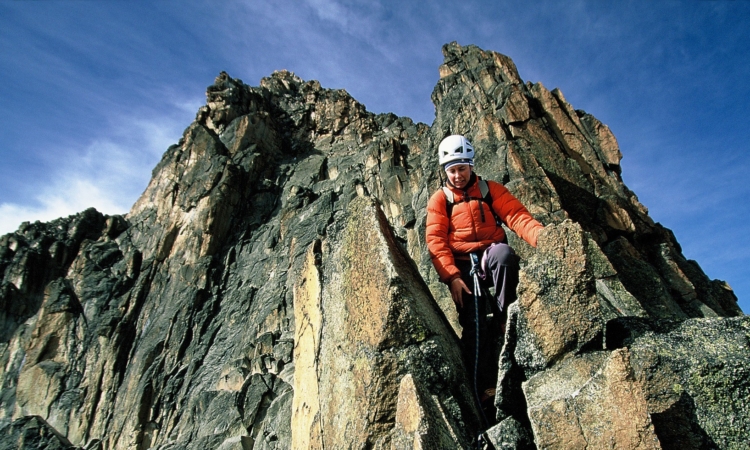
The Batian peak, the highest point of Mt. Kenya was first summited by Halford John Mackinder (British Geographer). His team inclusive of Cesar Ollier and Joseph Brocherel on 13th September. 1899. Prior to their successful arrival at the summit. They had attempted to summit 3 times and failed on all occasions in the same year (1899)
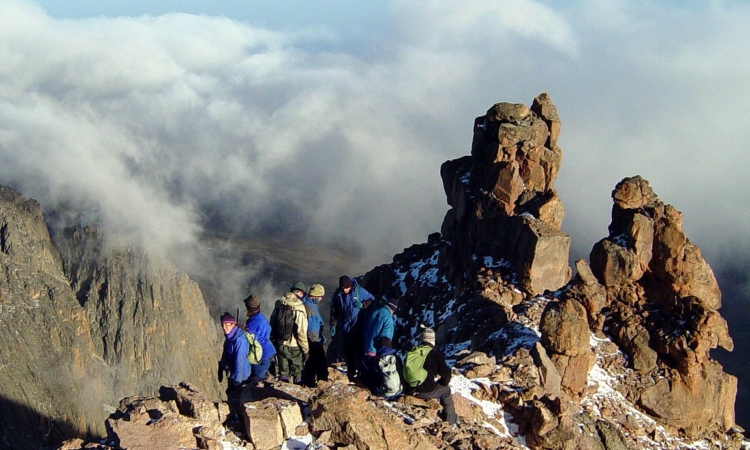
From then onwards, many travelers and climbers have summited the highest peaks on Mt. Kenya. With Point Lenana being the most summited as it is the easier one of the 3 major peaks.
8 different routes summit Mt. Kenya including Sirimon, Naro Moru, Chogoria, Burguret, Timau, Meru, Ithangumi and Kamweti.
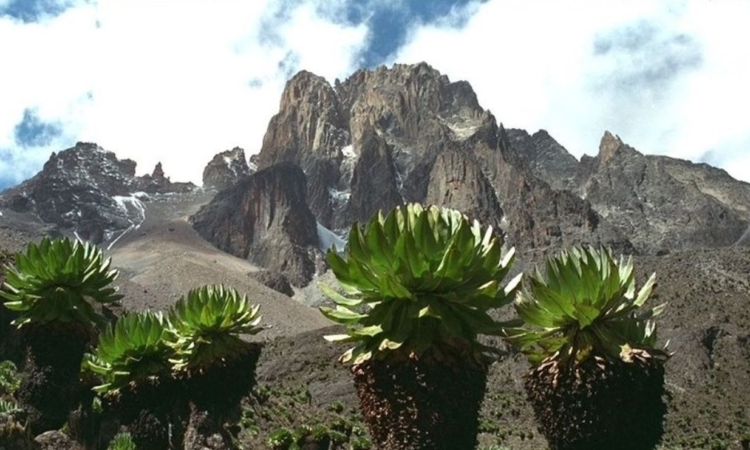
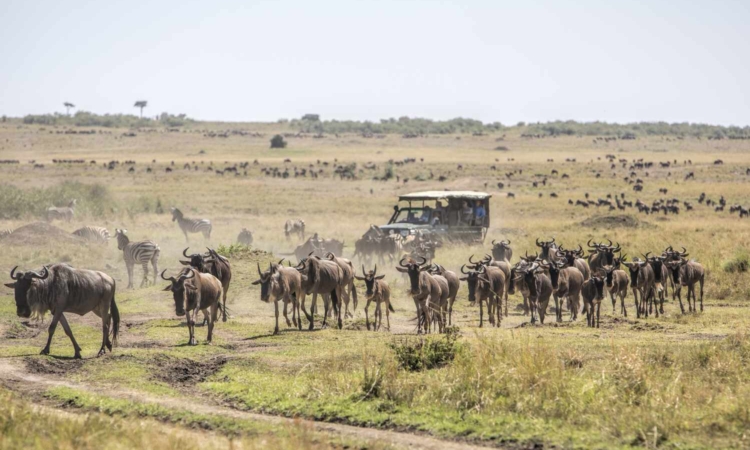
To protect the majestic mountain, its ecosystem, mountain vegetation zones. And preserve its importance to the wildlife.