Malaria on Mount Kenya is a big concern in most of the lowland areas in Kenya, same as on the lower altitudes of the famous Mt. Kenya as the warmer temperatures on lower slopes favor mosquito breeding. The mosquitos spread the malaria parasite from one person to another.
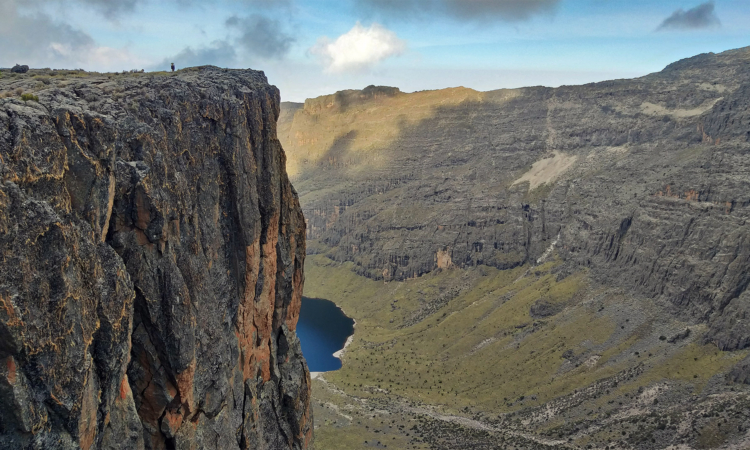
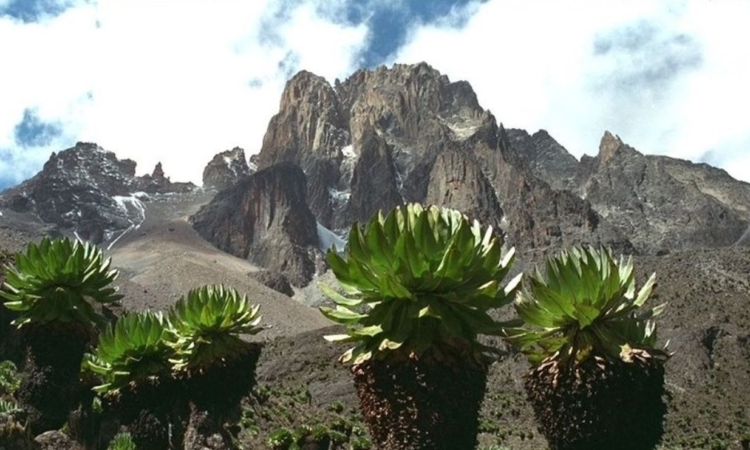
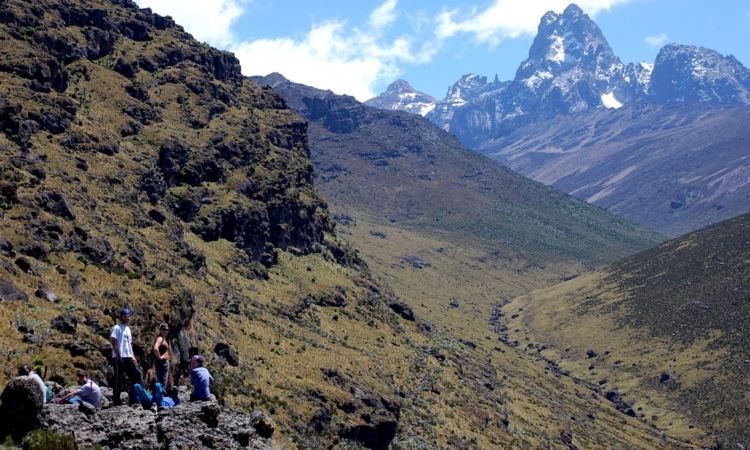
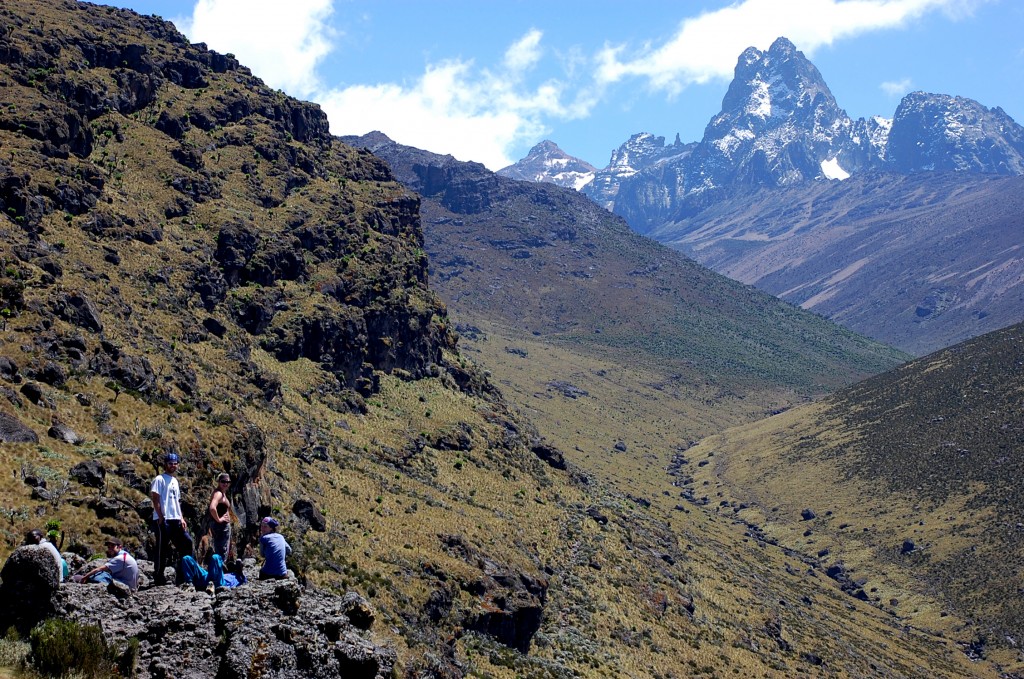
Safety on Mount Kenya: Mount Kenya is the highest mountain in Kenya and also the 2nd highest on the African continent after the mighty Kilimanjaro.
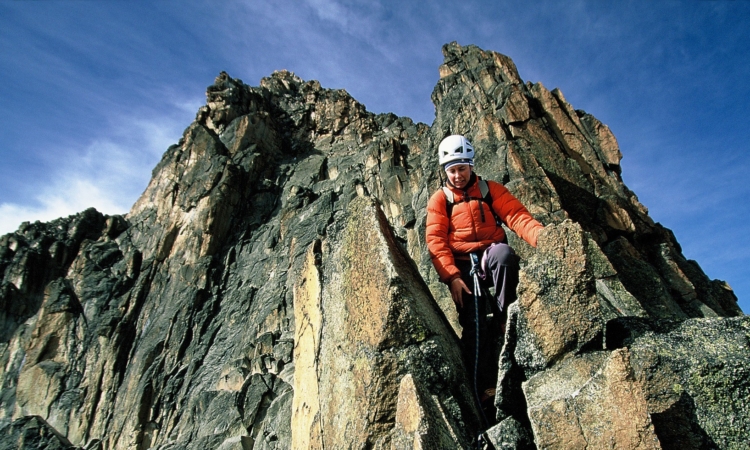
Climbing to the summit of Mt. Kenya is doable but also quit challenging because of its high altitudes and rapid changes of temperatures at different elevations especially if you are aiming to reach the highest points of Batian (5,199 m) and Nelion (5,188 m) which require technical mountaineering skills.
Climbing Mount Kenya is safe for anyone as long as you take precaution in advance before your hiking trip and during your time on the mountain.
Signs of malaria include; fever, headache, fever, high body temperatures and cold chills
Preventive measures to avoid contracting Malaria on mount Kenya:
If you are planning on visiting Mt. Kenya;
Talk to a travel medicine specialist who can recommend some anti-malarial medicines.
Take your anti-malarial medication in advance before your scheduled dates for climbing Mt. Kenya.
You are advised to wear long sleeved shirts, trousers, leggings and socks for a full cover up to minimize on exposed skin.
Apply mosquito repellents on your clothes and skin to prevent mosquito bites. Choose the types which include DEET.
Sleep under mosquito nets at night.
Take precaution during the mosquito peak hours, that is at dusk or dawn.
Be aware of the signs and symptoms of malaria and act upon it with immediate effect because malaria is deadly if not attended too.